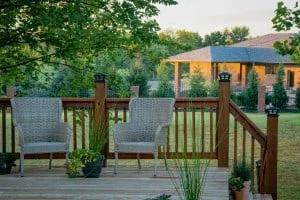
An outdoor space should feel like a seamless part of your home, not a weekend chore. Strategic sustainable landscaping transforms your yard into a low-maintenance retreat that works with your local environment rather than against it. By embracing green architecture principles—native plantings, efficient water systems, and climate-conscious design—you'll create a space that's both beautiful and environmentally responsible.
We asked landscaping professionals to share their most effective strategies for designing outdoor spaces that balance aesthetics with sustainability. Whether you're staging your Coeur d'Alene, ID home for sale or reimagining your Phoenix, AZ backyard, these expert insights will help you build an outdoor environment that's as functional as it is inviting.
In this article:
Why sustainable landscaping matters
1. Design outdoor spaces that respond to your climate and setting
2. Create functional outdoor living areas that extend the home
3. Incorporate thoughtful zoning for comfort and flexibility
4. Use native and climate-adapted plants for a low-maintenance landscape
5. Layer natural elements like trees, shade, and water management
Sustainable landscaping ideas that create a beautiful and resilient backyard
Why sustainable landscaping matters
Sustainable landscaping goes beyond aesthetics—it's about creating outdoor environments that actively benefit the ecosystem while remaining practical for everyday use. Smart design choices reduce water consumption, enhance air quality, and help moderate local temperatures, making your yard more comfortable and efficient throughout the year.
Cassy Aoyagi, President of FormLA Landscaping, puts it this way: "The ultimate outdoor living space does so much more than create awe, enjoyment, and curb appeal. It can save the world. The right landscapes can reduce extreme heat, fire danger, air pollution, and energy use; clean the air and water; and feed human and wildlife, too. The steps to achieving 'world saving beauty' are relatively simple: prioritize native foliage."
What sustainable landscaping delivers:
- Lower water usage through regionally appropriate plant selection
- Cleaner air and water via healthier local ecosystems
- Reduced energy costs from natural cooling effects
- Enhanced biodiversity that supports local wildlife
- Minimal upkeep once the landscape is established
1. Design outdoor spaces that respond to your climate and setting
Successful outdoor design begins with understanding your local environment. Climate patterns, regional geography, and natural surroundings should inform every decision—from hardscaping materials to shade placement. When your yard is designed to work with its setting rather than against it, maintenance drops dramatically and longevity improves.
Eli Hall, owner of AMS Landscape Maintenance Service, emphasizes climate-appropriate design in desert environments: "In Phoenix, the ultimate outdoor living space isn't about lush lawns, it's about smart design that works with the desert climate. Thoughtful shade, durable surfaces like pavers, and desert-adapted plants that thrive in extreme heat create a space that's both inviting and practical. Many of these plants also provide vibrant color throughout the year, bringing life to the landscape without heavy water use. When done right, your outdoor area becomes a true extension of your living space, not a constant upkeep project."
Climate-responsive design strategies:
- Strategic shade placement using pergolas, mature trees, or covered structures
- Regionally appropriate hardscaping that withstands local weather patterns
- Airflow-optimized layouts that enhance natural cooling
- Locally adapted plant species that require minimal intervention
- Reduced turf areas in favor of lower-maintenance alternatives
2. Create functional outdoor living areas that extend the home
The best outdoor spaces function like additional rooms—comfortable, purposeful, and naturally inviting. When designed with daily use in mind, these areas become destinations rather than afterthoughts, encouraging more time spent outside. The balance lies in creating spaces that work equally well for quiet mornings and social gatherings.
Caroline Gallagher of Manuel Zeitlin Architects explains the importance of variety: "A well-designed exterior space acknowledges that people are unique in how they prefer to engage in their environment. It offers variety—from open, active gathering spaces to quieter pockets for people watching and personal reflection. It allows people to choose their own level of participation and feel supported in that. The goal is not to prescribe how people interact, but to create the conditions where many kinds of belonging can comfortably coexist."
Elements that enhance outdoor functionality:
- All-weather seating that encourages lingering and conversation
- Multi-level lighting for both task and ambient illumination
- Fire features that extend seasonal usability
- Protected zones offering relief from sun and weather
3. Incorporate thoughtful zoning for comfort and flexibility
Dividing your backyard into purposeful zones creates organization without rigidity. This approach allows a single outdoor space to accommodate different activities and moods—entertaining guests in one area while maintaining quiet retreats in another. Effective zoning makes movement feel intuitive and prevents the space from feeling either overcrowded or underutilized.
The key is creating distinct areas that still flow together cohesively. One zone might center on dining and socializing, while another offers a secluded spot for reading or contemplation. When done well, zoning makes your outdoor space work harder without requiring more square footage.
Zoning considerations:
- Establish distinct zones for dining, relaxation, and social gatherings.
- Define boundaries with greenery or hardscape features to create natural separations.
- Carve out intimate retreats for peaceful moments away from activity.
- Maintain clear pathways through frequently used sections.
- Position furniture strategically to encourage intended use of each area.
4. Choose Native and Climate-Appropriate Plants for Easier Upkeep
Selecting plants that naturally flourish in your region's conditions is one of the smartest approaches to building a sustainable home landscape. Native and regionally adapted species have evolved to handle local weather patterns, soil types, and seasonal variations, which translates to reduced irrigation needs, minimal chemical inputs, and less hands-on care. The outcome is an outdoor environment that looks lush and purposeful without demanding your weekends.
Beyond convenience, these plant selections strengthen the ecological health of your property. When you align your landscaping with regional ecosystems, you create habitat for beneficial insects, birds, and other wildlife while maintaining an attractive, biodiverse yard that performs well year after year.
Key advantages of native and climate-suited plantings:
- Decreased water consumption and better tolerance of dry periods.
- Minimal reliance on synthetic fertilizers or chemical pest control.
- Enhanced habitat value for native pollinators and beneficial species.
- Dynamic seasonal appeal that shifts naturally throughout the year.
- Reduced maintenance expenses and time investment over the landscape's lifespan.
"Elevated outdoor design begins by taking cues from your region's natural character, combining indigenous plants with spaces that blur the line between indoors and out," explains Cal Ruseler, owner of Ruseler Landscaping, a high-end landscaping firm in Coeur d'Alene, ID. "Adding seasonal color and maintaining a thoughtful care routine ensures you fully enjoy what each season offers."
5. Integrate Trees, Shade Structures, and Smart Water Systems
Exceptional outdoor spaces extend beyond plant selection to encompass how trees, shade coverage, and water flow interact across the property. These foundational elements combine to enhance comfort, boost environmental efficiency, and extend the usability of outdoor areas across changing seasons.
Effective strategies for layering natural components:
- Plant established trees or canopy species to deliver organic cooling.
- Add pergolas or shade sails where additional sun protection is needed.
- Install bioswales or contoured grading to direct stormwater appropriately.
- Cluster plants by moisture requirements to optimize watering efficiency.
- Balance sunny and shaded zones to accommodate different activities and comfort levels.
Trees and overhead structures significantly reduce ambient temperatures and expand the hours you can comfortably spend outdoors, particularly in hot climates. Simultaneously, thoughtful water management—through proper drainage design and hydrozoning—keeps landscapes healthy while conserving resources and supporting environmental goals. These elements form the structural foundation of a durable, climate-responsive outdoor environment.
Building a Beautiful, Resilient Backyard Through Sustainable Design
Developing a more sustainable landscape comes down to intentional decisions that enhance both aesthetics and performance—from selecting regionally appropriate plants and climate-responsive layouts to incorporating natural systems and adaptable outdoor rooms. Even modest improvements can meaningfully transform how you use and enjoy your property throughout the year, delivering comfort, visual appeal, and lasting value. For homeowners also monitoring real estate dynamics—including how property values respond to factors like mortgage rates this week—strategic landscape investments can boost resale potential and strengthen your home's competitive position.
The post 5 Sustainable Landscaping Ideas That Elevate Your Outdoor Space appeared first on Redfin | Real Estate Tips for Home Buying, Selling & More.