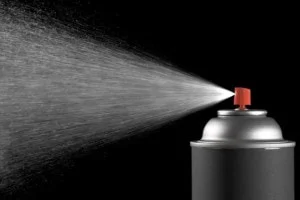
People spend roughly 90% of their time indoors. While smoggy skylines and seasonal allergies tend to dominate headlines, indoor air pollution is an equally serious concern — and often far harder to escape. Smoke, chemical vapors, mold, and biological contaminants can all degrade the air quality inside your home, with consequences that may linger for years.
So what exactly is indoor air pollution, how does it affect your health, and what can you do about it? Whether you own a home in Boston or rent an apartment in Round Rock, TX, here's what you need to know.
What is indoor air pollution?
Indoor air pollution refers to airborne contaminants — whether originating inside or outside the building — that are harmful when inhaled. Common culprits include chemicals, fine particulates, bacteria, and viruses, many of which are present in everyday household products and therefore difficult to avoid.
Outdoor pollutants also regularly infiltrate indoor spaces, further compromising air quality. Green, energy-efficient homes can offer some protection — they tend to use higher-quality construction materials, superior insulation, and more advanced HVAC systems capable of filtering out certain chemicals and particulates — but no home provides a complete barrier.
The health effects of indoor air pollution range from mild to severe and can be short-lived or permanent. Some symptoms, such as headaches and nasal irritation, appear after brief exposure. Others develop only after years of chronic contact with pollutants.
What causes indoor air pollution?
Indoor air pollution stems from both biological and chemical sources. Here's a breakdown of each:
Biological indoor air pollution sources |
|
| Mold | Animal dander and saliva |
| Bacteria | Dust mites |
| Viruses | Bed bugs |
| Pollen | Bug waste |
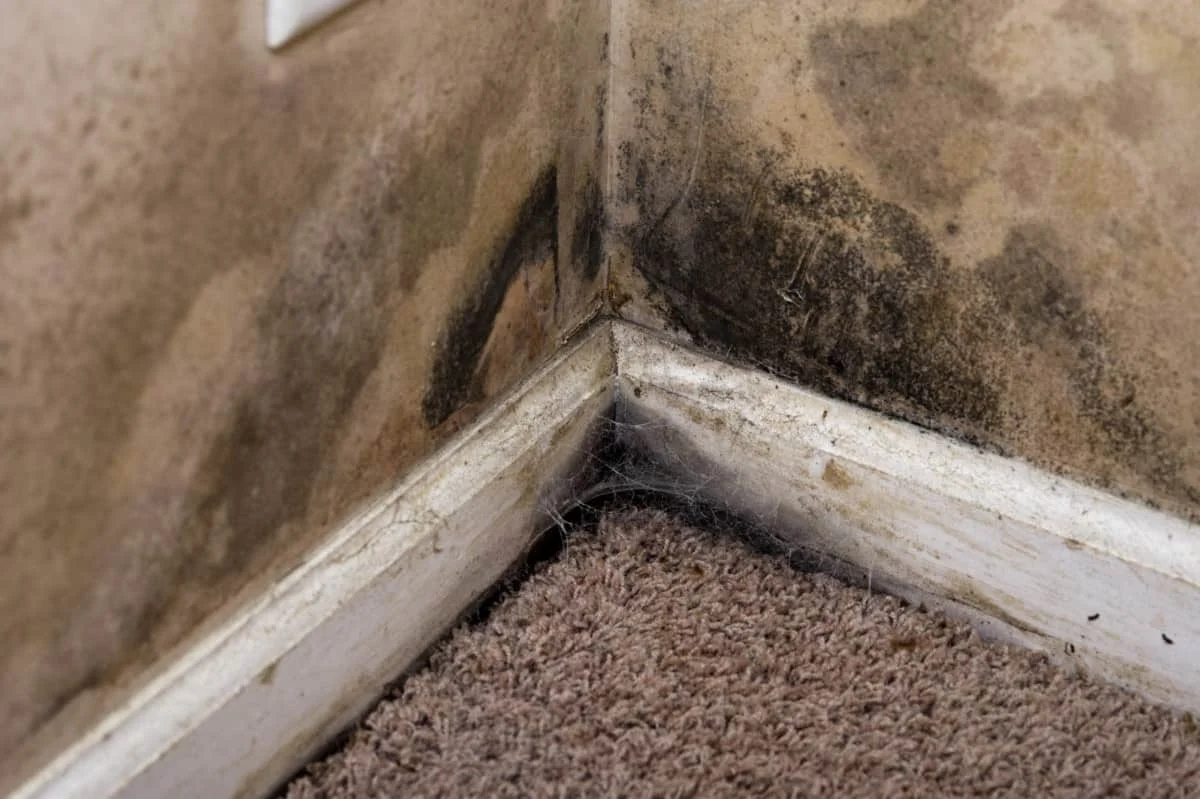
"One of the most commonly overlooked sources of indoor air pollution is hidden mold growth behind walls, under flooring, or inside HVAC systems," warns Green Home Solutions. "These areas are out of sight, so homeowners often do not realize an issue exists until it becomes widespread. In some cases, certain molds can also produce mycotoxins, which are microscopic, invisible compounds that impact indoor air quality."
Chemical indoor air pollution sources |
|
| Carbon monoxide | Lead |
| Carbon dioxide | Arsenic |
| Ozone (residual) | Tobacco smoke |
| Radon (residual) | Asbestos |
| Pesticides | Volatile organic compounds (VOCs) |
Other factors to consider
Indoor air pollution levels vary significantly depending on your location. Living near a heavy industrial area typically means greater exposure to residual outdoor pollutants compared to more rural or coastal settings.
Research also shows that air pollution and economic status are closely linked — lower-income populations tend to face disproportionately higher exposure. Older homes compound the problem, as poor insulation and inefficient appliances allow more pollutants to accumulate indoors.
Environmental conditions matter too. Warmer temperatures raise outdoor allergen levels — including bacteria and pollen — which can then migrate indoors. High humidity amplifies the concentration of toxic chemicals in the air and creates ideal conditions for dust mite proliferation.
What are VOCs?
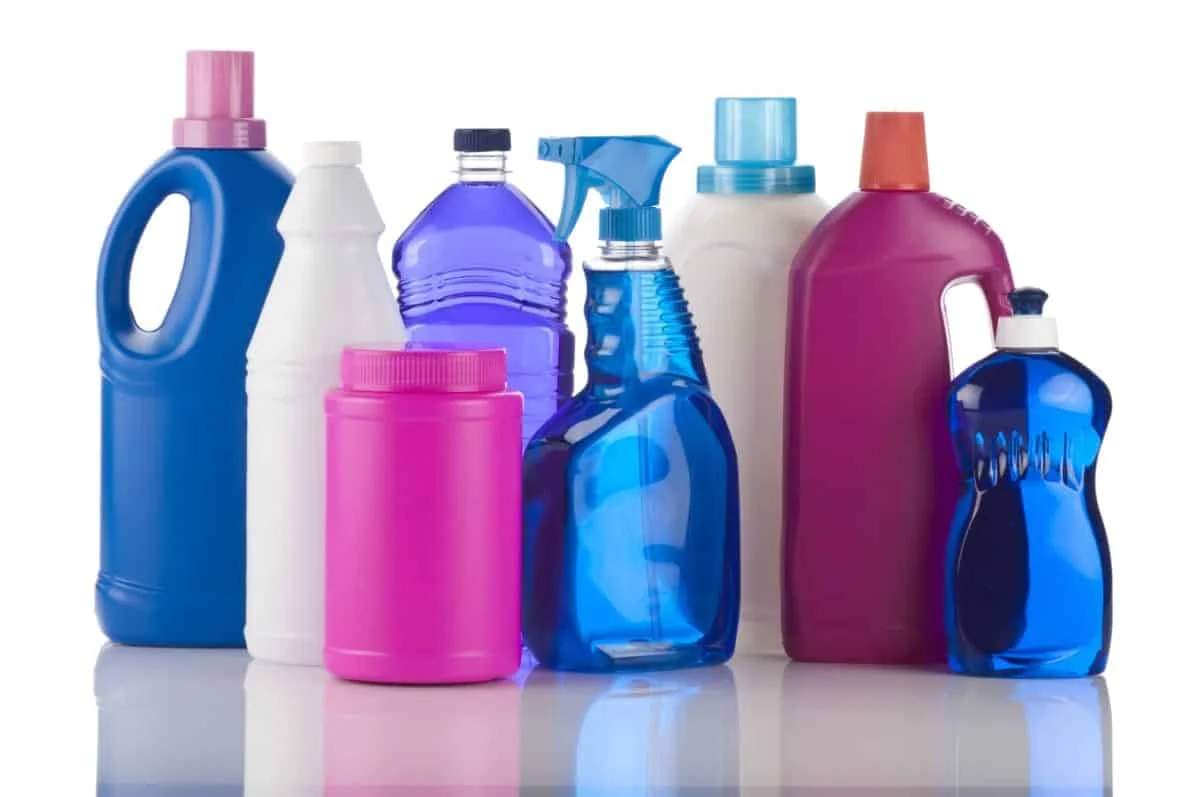
Volatile organic compounds (VOCs) are a broad category of chemicals found in a wide range of everyday products. They slowly release harmful gases — a process known as off-gassing — that can cause serious health effects, including chronic conditions and cancer. VOC concentrations indoors are frequently up to five times higher than outdoor levels, regardless of geography.
Common VOCs |
|
| Benzene | Tetrachloroethylene |
| Ethylene glycol | Toluene |
| Formaldehyde | Xylene |
| Methylene chloride | 1,3-Butadiene |
| PFAS (Perfluoroalkyls and Polyfluoroalkyls) | |
Complete avoidance of VOCs is essentially impossible, but you can reduce exposure by improving ventilation, minimizing contact where feasible, and storing unused chemicals or hazardous products outdoors or in a sealed space. Where possible, opt for products made from natural materials free of synthetic chemical additives.
Common products that contain VOCs |
|
| Office equipment | Ink, toner, printers, photocopiers, copy paper, glue, permanent markers |
| Building materials | Paint, varnishes, adhesives, composite wood products, upholstery, foam, refrigerant, carpet, vinyl |
| Everyday products | Many types of clothing (especially waterproof), makeup, air fresheners, refrigerant |
| Oil products | Gasoline, petroleum, many plastics |
Effects of indoor air pollution
Poor indoor air quality is linked to a wide range of serious health conditions, with effects that can be both immediate and long-term:
- Irritation of the eyes, nose, and throat
- Headaches, fatigue, and dizziness
- Cancer, respiratory disease, pneumonia, and heart disease
- Asthma triggers, ranging from mild to severe
The indoor pollutants most frequently associated with serious health outcomes include radon, carbon monoxide, Legionella bacteria, tobacco smoke, and fine particulates.
Green Home Solutions offers a useful rule of thumb for spotting early warning signs: "Persistent allergy-like symptoms such as sneezing, coughing, headaches, or fatigue, especially when they improve outside the home, can be key indicators. You may also notice increased dust buildup, condensation on windows, or inconsistent airflow throughout the home. These early clues often point to underlying moisture or ventilation issues."
Establishing direct links between specific pollutants and health effects remains scientifically difficult, and many exposure scenarios are still under-researched. The most practical approach is to minimize exposure across the board and seek medical attention if symptoms appear.
Air pollution in your home: a room-by-room analysis
Indoor pollutants don't distribute evenly. Mold thrives in attics and bathrooms where moisture accumulates. Kitchens carry risks from gas appliances. Rooms with poor airflow can harbor elevated bacterial levels. Because pollutants vary so dramatically by space, it helps to think about your home room by room.
There's no simple, comprehensive test that can quantify every pollutant in every corner of your home. Even professional air quality assessments struggle to establish clean causal relationships between what's in the air and how residents feel. The most effective strategy remains reducing pollutant sources wherever possible.
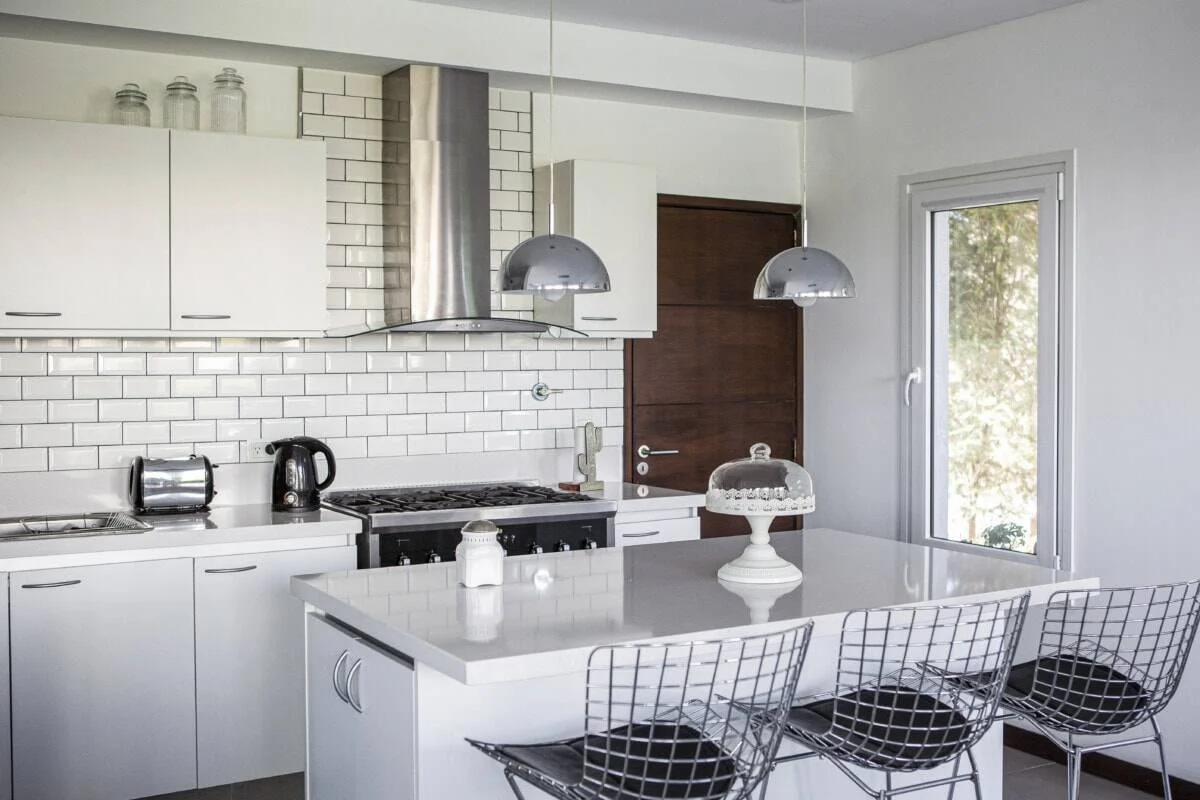
Kitchen
Kitchens are among the biggest contributors to indoor air pollution. Gas stoves emit carbon monoxide and carbon dioxide during normal operation, and gas lines can leak methane. Compost bins and dirty range hoods compound the problem. Keeping the kitchen clean also discourages pests, which introduce their own biological contaminants.
Attic
Attics are easy to overlook, but they can become significant pollution sources — particularly when used to store paints, solvents, or other chemicals. Keeping humidity below 50% is the most effective way to prevent moisture-related problems like mold. Proper ventilation and regular cleaning will also deter pests from establishing themselves and spreading into the rest of the home.
Bathroom
High moisture makes bathrooms a prime environment for mold growth. Most bathrooms have exhaust vents, but these frequently become clogged with dust and debris, reducing their effectiveness or even recirculating contaminated air. Consistent cleaning and functioning ventilation are essential to keeping mold and other toxins in check.
Bedroom
Bedrooms commonly harbor dust mites, which feed on shed skin cells in bedding and clothing, as well as volatile organic compounds (VOCs) off-gassed from furniture and textiles. Regular laundering of bedding and clothing, along with routine dusting, significantly reduces these exposures.
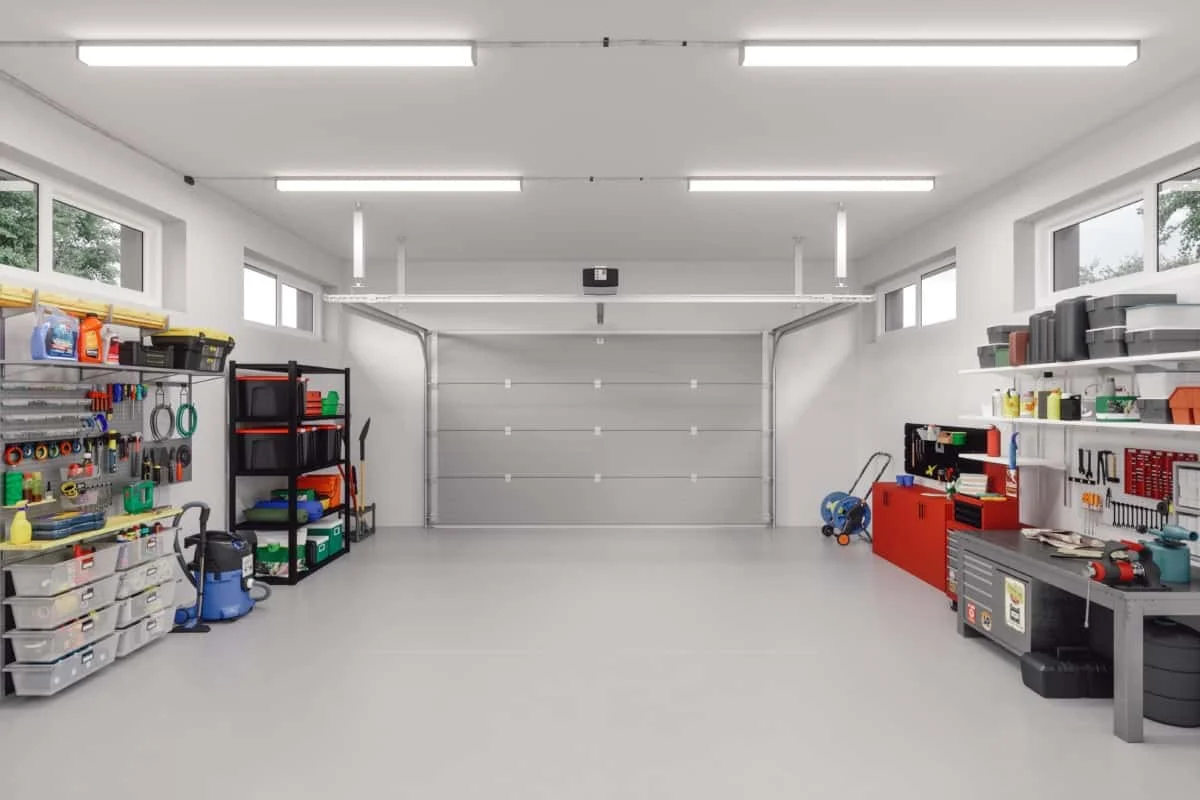
Garage
Garages often double as storage for paints, solvents, enzymes, and other building materials — many of which off-gas VOCs continuously. Vehicle exhaust is another major hazard; always idle your car outside rather than letting it run inside the garage. Adequate ventilation is critical in this space.
Living and dining area
Fireplaces, upholstered furniture, and household cleaners are the primary pollution concerns in living and dining spaces. Wood-burning fireplaces can "back-draft" smoke and combustion byproducts into the room if there's insufficient outdoor air supply. Fireplaces, gas stoves, space heaters, and grills can all emit carbon monoxide — making a CO detector a non-negotiable safety measure. Basement living rooms require particular attention to sealing and ventilation.
Outdoor areas
Pesticides and fertilizers stored inside the home can off-gas VOCs that degrade indoor air quality. Keep them in the garage or an outdoor shed, and always wear appropriate gloves when handling chemicals like pesticides to avoid direct exposure.
How to improve indoor air quality
Almost anything you bring into your home can affect the air you breathe. The following steps, drawn in part from EPA guidance on improving indoor air quality, can meaningfully reduce your exposure to common pollutants.
1. Switch to electric appliances
Electric appliances produce no combustion emissions — no methane, no carbon monoxide, no CO2. Eliminating natural gas from your home also removes the risk of gas leaks entirely.
2. Upgrade appliances, building materials, and HVAC systems
If your budget allows, updating windows, flooring, insulation, and aging appliances can dramatically cut down on VOC off-gassing and improve overall energy efficiency and air exchange.
3. Vent gas appliances outside
If you cook on a gas stove, verify that your range hood actually exhausts air outside rather than recirculating it through a filter back into the kitchen — a surprisingly common setup that does little to remove combustion gases.
4. Avoid burning anything indoors
Open flames — from fireplaces, candles, or lighters — produce CO2 and fine particulates that irritate the lungs. Eliminate or minimize these sources where practical.
5. Create natural ventilation
Opening windows and positioning fans to draw fresh air through the home is one of the simplest and most effective ways to dilute indoor pollutants.
6. Install an air purifier with a HEPA filter
Air purifiers won't eliminate pollutants entirely, but they can reduce particle concentrations to safer levels. Look for a unit that filters particles down to 0.3 microns for maximum effectiveness.
7. Purchase an indoor air quality monitor
Indoor air quality monitors can detect a range of pollutants, from radon to PM2.5 particulates. The EPA's air quality app is also worth downloading for real-time outdoor air quality alerts in your area.
8. Replace HVAC and air purifier filters regularly
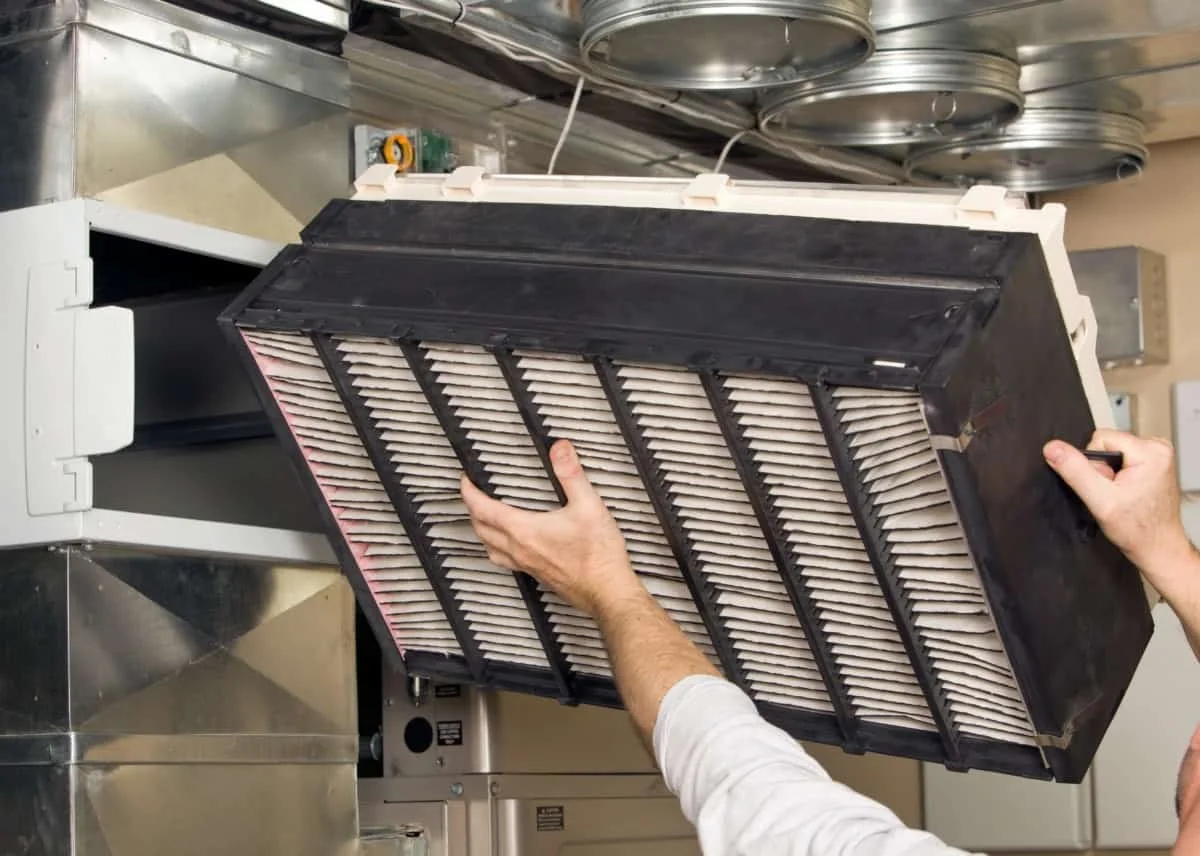
Change filters at least every three months — more frequently if you live in an area with poor outdoor air quality, have pets, or run your HVAC system heavily.
9. Clean regularly
Vacuum, dust, and wipe down surfaces at least once a week — more often in homes with pets, children, or higher foot traffic. Give extra attention to porous surfaces like upholstery and bedding, which trap allergens and particulates.
10. Switch to natural cleaners
Products free of artificial fragrances, preservatives, and synthetic chemicals are significantly better for indoor air quality. If you must use conventional cleaners, store them outside the living area or in a sealed cabinet.
11. Bathe your pets
Regular pet baths are one of the most effective ways to reduce airborne pet dander — a common allergen that can linger in upholstery, carpeting, and bedding long after the animal has left the room.
12. Use a doormat
A quality doormat traps dust, dirt, and outdoor contaminants before they're tracked into your home, reducing the overall pollutant load on your floors and air.
13. Choose green materials and furniture
Natural materials like bamboo flooring and wool upholstery don't off-gas VOCs the way polyester and synthetic leather do. When replacing furniture or undertaking renovations, prioritize low-emission, certified green materials.
Final thoughts on indoor air pollution
Indoor air quality is a genuine and underappreciated health issue, with consequences that range from short-term irritation to long-term respiratory and systemic effects. The challenge is that many of the products and materials responsible for poor air quality are deeply embedded in everyday home life. But the remedies are largely accessible: clean consistently, switch to natural and organic products where possible, improve ventilation, and install appropriate filtration.
Above all, be intentional about what enters your home. Research products before you buy, favor electric over gas where feasible, and treat air quality as an ongoing maintenance priority rather than a one-time fix. The payoff is measurable — both in air quality and in long-term wellbeing.
Redfin does not provide medical advice. Always seek the advice of a qualified health provider for any questions you may have regarding your health.
The post Indoor Air Pollution: Causes, Effects, and How to Improve Your Indoor Air Quality appeared first on Redfin | Real Estate Tips for Home Buying, Selling & More.